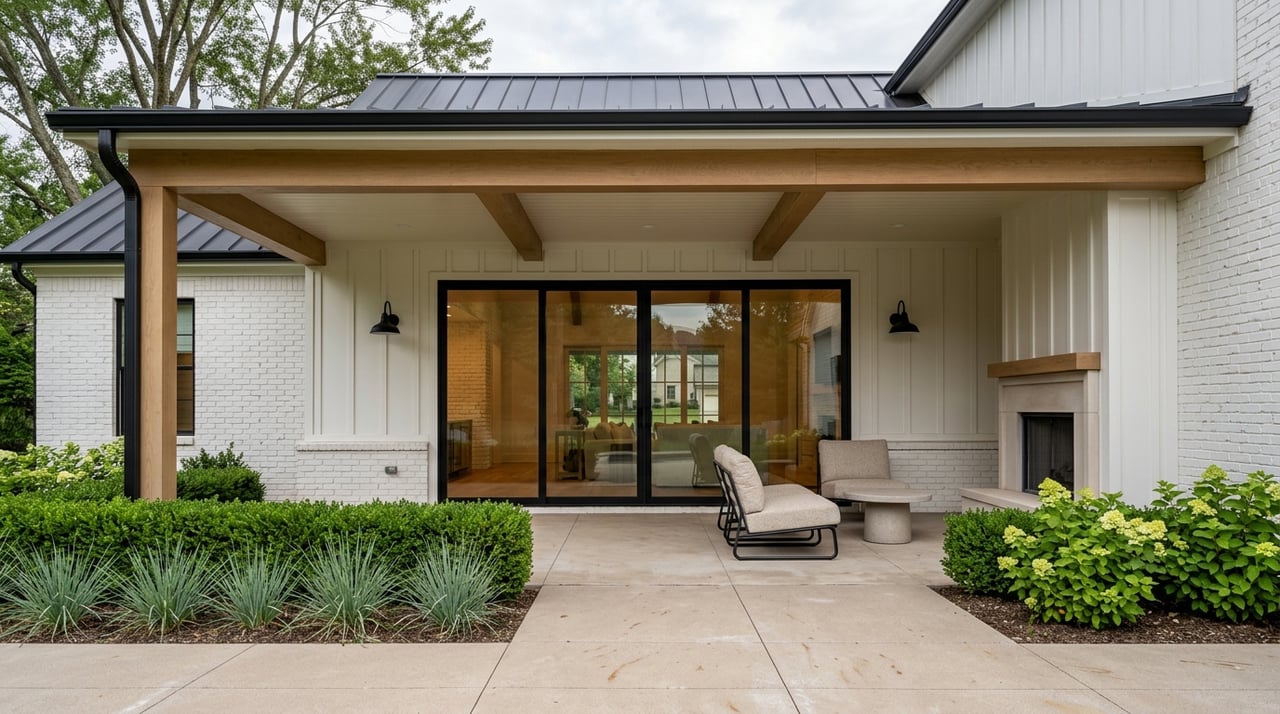
Wondering whether moving up to Carmel is the right next step? If you already own a home in Central Indiana and you are thinking about more space, a different daily routine, or a stronger lifestyle fit, Carmel is often part of that conversation. The key is knowing whether you are paying for square footage alone or for a broader change in how you live. Let’s dive in.
Carmel Offers More Than a Bigger House
Carmel stands out as an upper-tier market in Central Indiana. As of spring 2026, Zillow reported a typical home value of $570,592 in Carmel, up 4.0% year over year, while Realtor.com reported a median listing price of $574,000 and a median sold price of $534,375.
That pricing sits well above several nearby markets. Zillow data in the research shows Carmel home values are about 27% above Fishers, 21% above Westfield, 75% above Greenwood, and 152% above Indianapolis. For many move-up buyers, that difference reflects a lifestyle decision as much as a housing decision.
If you are considering Carmel, it helps to frame the move this way: you are not only buying a home. You may also be buying access to mixed-use districts, connected trails, public spaces, and a different pace to everyday life.
What Carmel Living Feels Like
One of Carmel’s biggest draws is its mix of residential living with destination-style amenities. The city highlights Carmel City Center as a mixed-use district, while the Arts & Design District includes shops, galleries, showrooms, specialty retail, and restaurants. Midtown Plaza adds public green space, art, a spray plaza, bocce courts, shade structures, and outdoor cafe space.
That matters if you want more to do close to home. In some markets, a move-up home means a larger lot and little else changes. In Carmel, the appeal can also be the ability to enjoy walkable areas, public gathering spaces, and a more connected local environment.
The city also emphasizes design and lifestyle destinations like Clay Terrace and the Indiana Design Center. For buyers who care about convenience, style, and an active local scene, those features can be part of why the premium feels worthwhile.
Active Transportation Is Part of the Appeal
Carmel has invested heavily in bike and trail connectivity. The city is recognized as a Silver Level Bicycle Friendly City, and the Monon Greenway runs through Carmel, with the city maintaining a 5.2-mile segment.
The Carmel Access Bikeway adds eight cross-city routes and five loops that connect destinations throughout the city and nearby communities. If you want options for getting around, exercising, or simply enjoying the outdoors, that network can be a meaningful quality-of-life upgrade.
Community survey results support that idea. In Carmel’s Next Great Neighborhood process, 77% of respondents prioritized green space and shade, 58% wanted a flexible mix of quiet and lively settings, and 32% prioritized a natural and connected feel.
Carmel Can Fit Different Move-Up Goals
Not every move-up buyer wants the same thing. Some want more house and more privacy. Others want less maintenance and better access to dining, retail, and public spaces.
That is one reason Carmel deserves a closer look. Some of its premium housing options are tied to convenience, walkability, and mixed-use living rather than lot size alone. Depending on your goals, a move up in Carmel might mean a newer condo or townhome near downtown amenities, or it might mean an established home in a more traditional setting.
Newer Areas vs. Established Areas
Carmel’s newer and more urban-style areas often center around mixed-use development and amenity-rich living. City Center and Midtown are good examples, with walkable public spaces and a more connected, higher-density feel.
Established parts of Carmel can feel different. The Home Place Overlay District uses compatibility standards and neighborhood-scale design rules, which points to a more traditional development pattern in some older areas.
For you, the question is less about which style is better and more about which style fits your household. Some buyers value newer layouts and easy access to restaurants or public spaces. Others prefer mature trees, a quieter feel, and more traditional neighborhood scale.
Community feedback in Carmel also reflects that balance. Residents expressed interest in green space, mature trees, walking paths, and a mix of housing types, while also pushing back on overly dense or generic design.
The Market Is Competitive, But Not Simple
Carmel’s housing market is active, but it is not one-note. Zillow’s April 2026 snapshot showed 246 homes for sale and a median 7 days to pending, which suggests desirable homes can still move quickly.
At the same time, Realtor.com described Carmel as a buyer’s market in February 2026 and reported 383 homes for sale with a median 27 days on market in April 2026. The practical takeaway is that you may have room to negotiate in some situations, but the best-fit homes may still require quick, confident action.
That mix can actually favor prepared move-up buyers. If you already own a home and have a clear plan for timing, budget, and priorities, you may be in a strong position to recognize value when it appears.
Know Your Monthly Comfort Zone
The most common mistake in a move-up search is focusing only on purchase price. In Carmel, the better question is whether the full monthly cost still feels comfortable after you account for the larger mortgage, property taxes, insurance, and any HOA dues.
That matters because Carmel carries a clear price premium over nearby alternatives. If you are stretching into the market, you want to understand the true carrying cost before you fall in love with a home.
Indiana property taxes are an important part of that math. The state caps property taxes at 1% of gross assessed value for homesteads, 2% for other residential property and agricultural land, and 3% for other property.
Hamilton County also notes that property taxes are paid in arrears, and the county auditor applies the homestead credit and property tax replacement credit to the bill. Deductions and credits generally do not need annual reapplication, but new applications go through the county auditor and should be updated when ownership changes.
Equity Matters, But So Does Flexibility
Many homeowners ask how much equity they need to move up. The honest answer depends on your sale proceeds, down payment goals, monthly budget, and comfort level with change.
In a premium market like Carmel, strong equity from your current home can help, but equity alone does not make the decision. You also want enough flexibility for closing costs, moving expenses, updates, and the realities of settling into a higher-cost home.
With national Zillow forecasting from late 2025 calling for modest 2026 home value growth and mortgage rates staying above 6%, waiting may not create a major affordability break. For many households, the better question is not whether the perfect timing will appear, but whether you are financially and practically ready now.
School Boundaries Need Verification
If school logistics are part of your move, this is one area where you should verify details early. Carmel Clay Schools serves about 16,000 students and 2,400 staff across 15 school sites, including 11 elementary schools, 3 middle schools, and 1 high school.
Regular bell times are 7:40 a.m. for elementary, 8:25 a.m. for middle school, and 9:05 a.m. for high school. The district also offers late-start schedules.
Transportation details matter too. Carmel Clay Schools owns and operates 188 buses, runs about 700 routes, and reports that fewer than 1% of daily routes run late.
But school assignment and transportation are boundary-based. Students are generally eligible for transportation only if they live within the attendance boundary for their assigned school, and no-bus zones are typically one mile from schools. Some students may also need to walk up to half a mile to a bus stop.
That means a Carmel address should always be checked against the district’s school locator and transportation rules before you assume a specific school pattern or bus routine. If your mornings already feel full, this step can make a real difference in how well a home fits your day-to-day life.
Daily Logistics Still Count
Even in a lifestyle-driven move, practical details matter. Census QuickFacts shows Carmel’s mean travel time to work is 24.6 minutes, which gives some context for how commuting, school schedules, and drop-off routines may fit together.
When you tour homes, think beyond finishes and square footage. Picture the weekday morning, the drive, the bus stop, and what errands or activities look like from that location. A move-up should improve your daily rhythm, not just your address.
When Carmel Makes Sense
Carmel often makes the most sense if you want a clear lifestyle upgrade and feel comfortable with the higher price point. It can be a strong fit if you value connected amenities, public spaces, active transportation, and a range of housing styles from established neighborhoods to newer mixed-use living.
It may also be a smart move if you already have meaningful equity, want to level up your long-term housing choice, and are ready to evaluate the full cost carefully. In that situation, paying more can feel intentional rather than reactive.
The best move-up decisions are grounded in both numbers and real-life fit. If you can verify carrying costs, school boundaries, and neighborhood style, you will be in a much better position to decide whether Carmel is the right next chapter.
If you are weighing a move to Carmel and want practical guidance on pricing, value, and how the numbers work in real life, Amanda Cottingham can help you think through your options with clarity.
FAQs
Is Carmel, Indiana, a good place for a move-up home purchase?
- Carmel can be a strong move-up choice if you want a higher-amenity lifestyle, are comfortable with premium pricing, and value features like mixed-use districts, trails, green space, and varied housing options.
How expensive are homes in Carmel compared with nearby cities?
- The research shows Carmel home values are well above several nearby markets, including about 27% above Fishers, 21% above Westfield, 75% above Greenwood, and 152% above Indianapolis by Zillow data.
Is the Carmel housing market competitive for buyers?
- Yes, but it depends on the property. Research shows some buyers may have room to negotiate, while desirable homes can still go pending quickly.
What should buyers know about Carmel Clay Schools boundaries?
- School assignment and transportation are based on attendance boundaries, so you should verify any address with the district’s school locator and transportation rules before assuming a school or bus setup.
Are property taxes important when moving up to Carmel?
- Yes. In a higher-priced market, you should budget for the full monthly cost, including mortgage, insurance, HOA dues if applicable, and Indiana property taxes, which are capped by property type under state law.
Should you choose a newer or established Carmel neighborhood?
- That depends on your goals. Newer areas may offer more mixed-use convenience and walkability, while established areas may offer a more traditional neighborhood scale and different design character.
